Norman Vilalta x Nervio
KIZUNA
A card holder born from a shared approach to craftsmanship.
A shared way of making
Some collaborations begin with a plan. Others develop naturally through years of working together. Kizuna is the latter.
Created by Norman Vilalta and Nervio, the Kizuna Card Holder brings together two approaches shaped by the same belief: that exceptional materials deserve to be worked by hand, with intention, and that the objects we use every day should become more personal with time.
For our first piece together, we chose one of the simplest objects we carry. A single compartment. Two asymmetric openings. Every line considered around the movement of the hand.
Only what you need
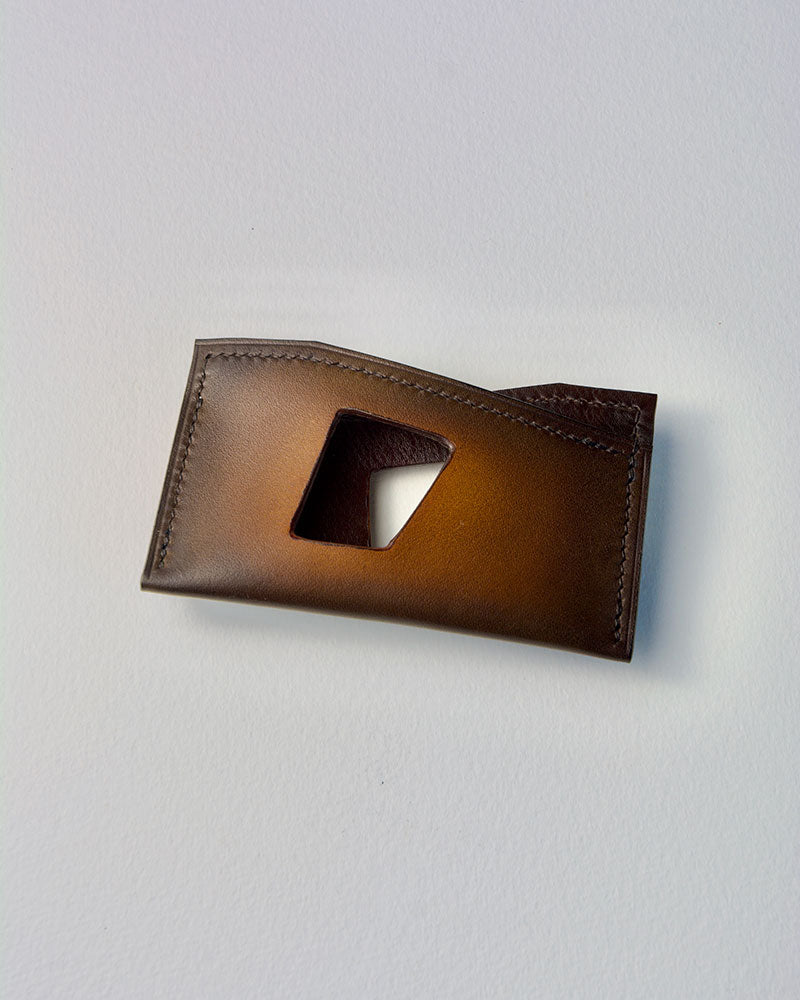
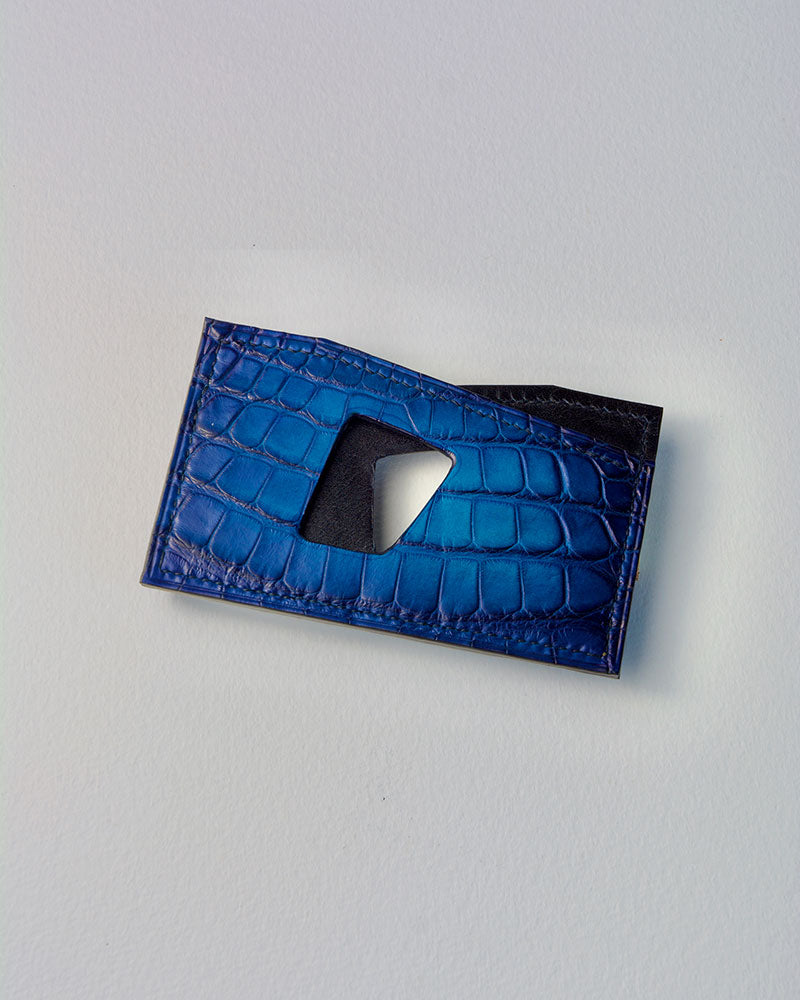
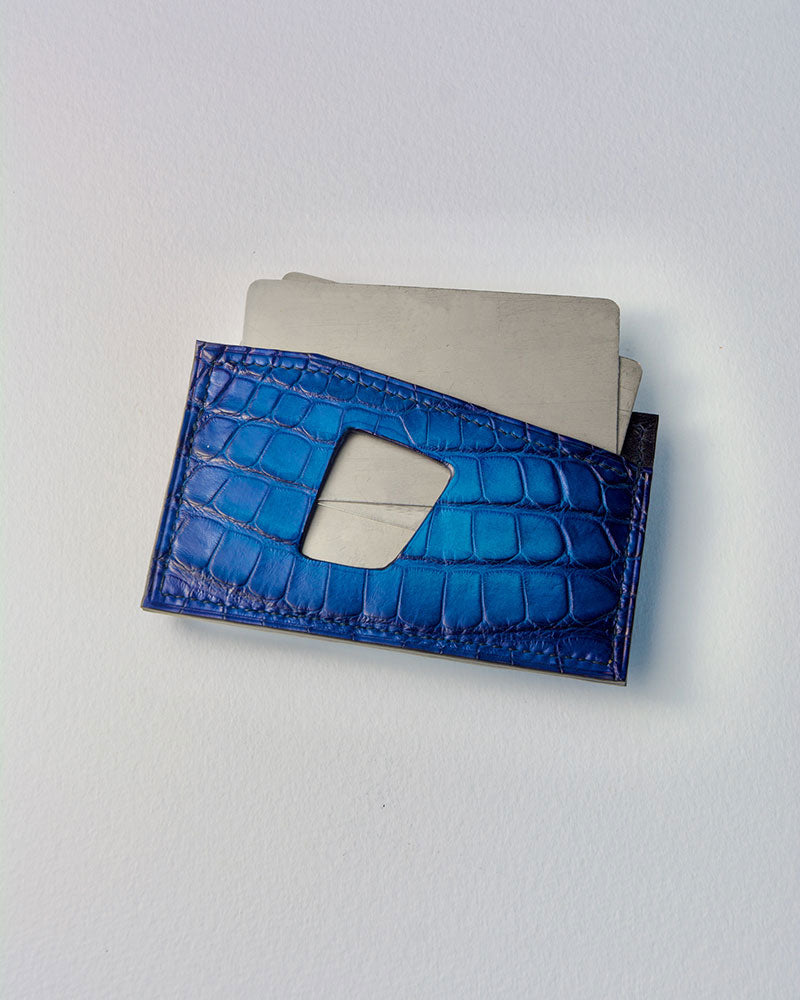
The Kizuna Card Holder is built around a single large compartment rather than a series of individual card slots.
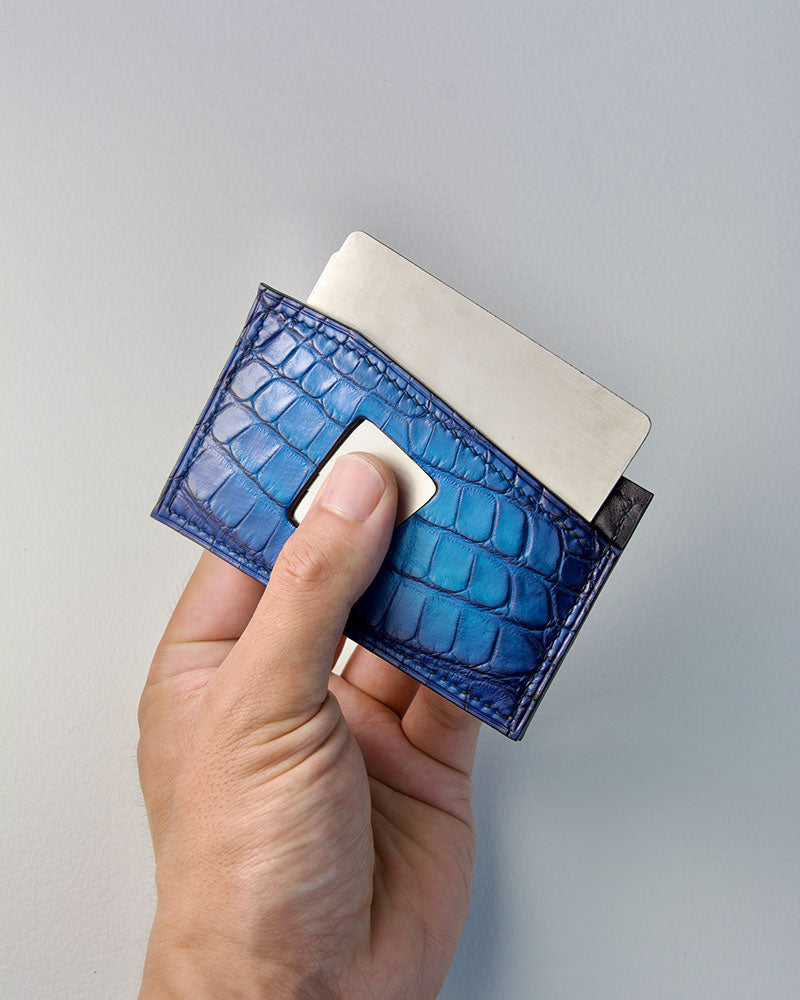
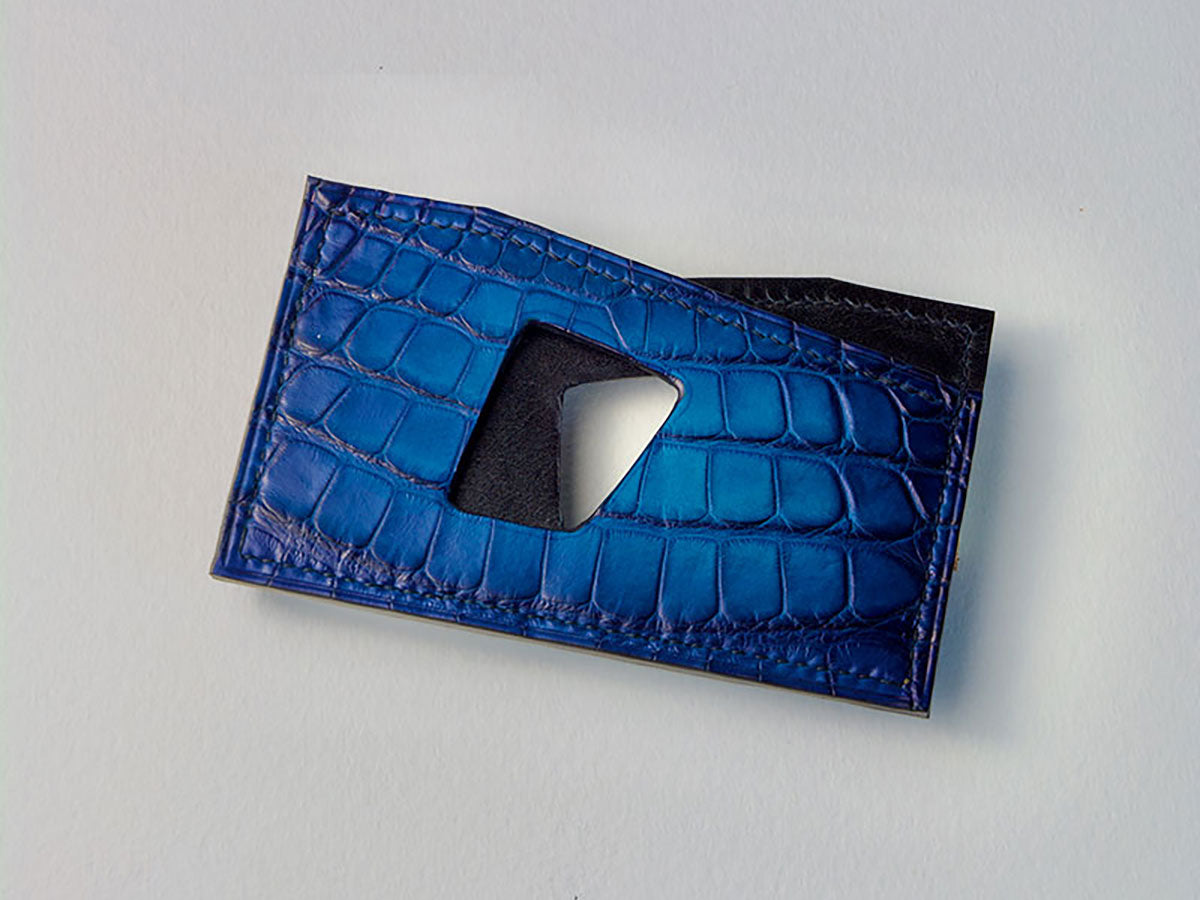
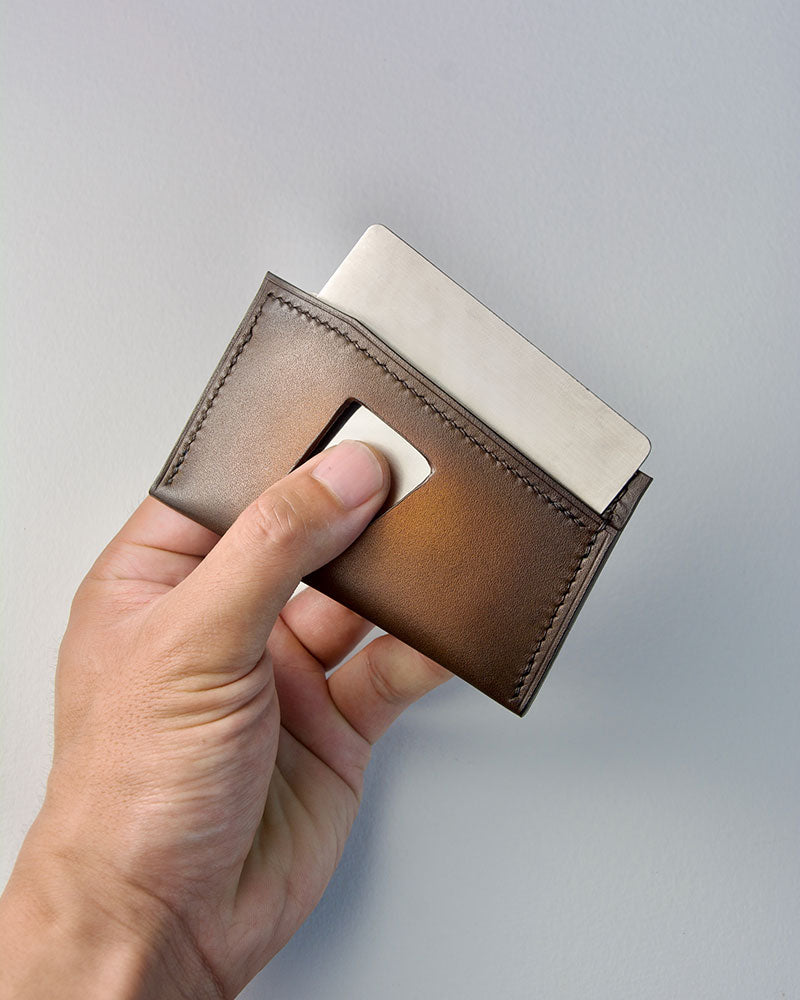
Two asymmetric cut-outs on opposing sides allow the cards to be pushed upward naturally with the finger and removed with the opposite hand. The simplicity is intentional.
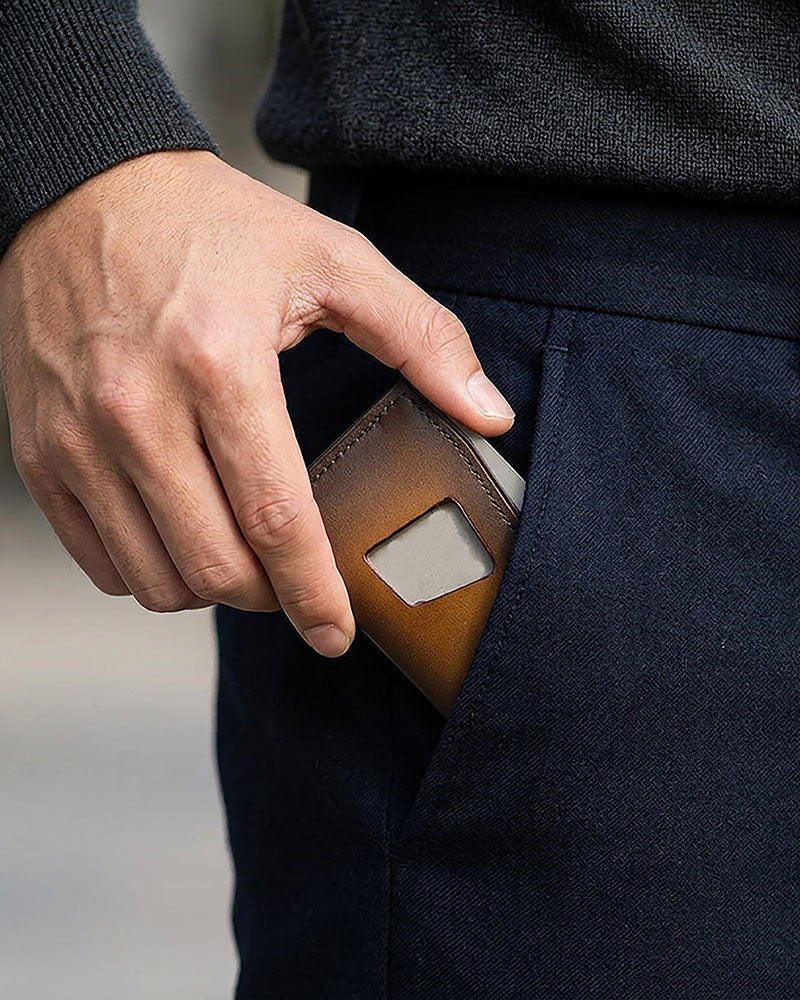
With fewer layers of leather, the card holder remains remarkably slim while comfortably carrying approximately four to six cards, with room for a folded banknote when needed. Nothing unnecessary.
Designed Around the Hand
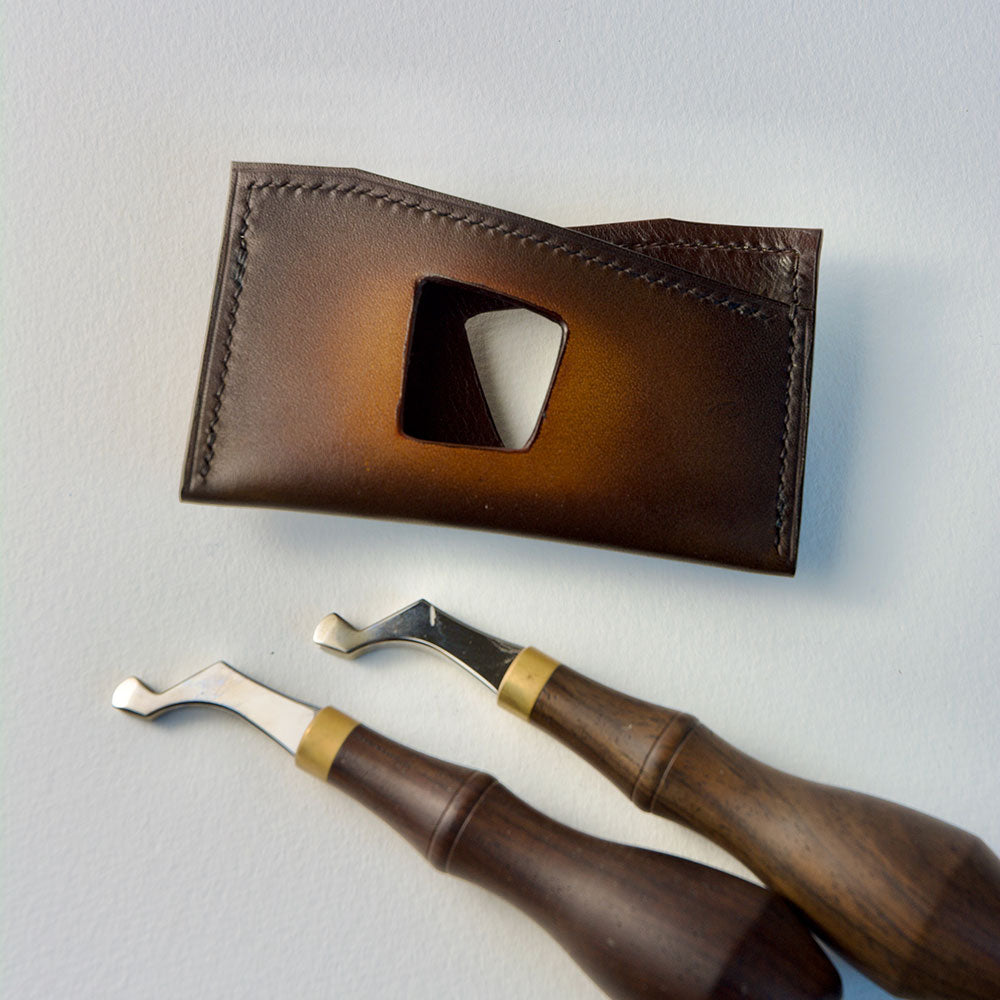
At first glance, the Kizuna Card Holder is remarkably simple: a single compartment formed from leather, without the layers of pockets found on a traditional card case.
Its defining detail is the asymmetric cut-out.
Rather than placing identical openings on either side, the two sides are deliberately different. One allows the finger to naturally push the cards upward from within the case, while the other exposes enough of the cards to make them easy to grasp and remove.
The asymmetry is therefore not decorative. It follows the movement of the hand.
By eliminating unnecessary pockets and layers of leather, Kizuna remains exceptionally slim while comfortably carrying four to six cards.
A small design decision, but one that changes how the object is used every day.
One stitch at a time
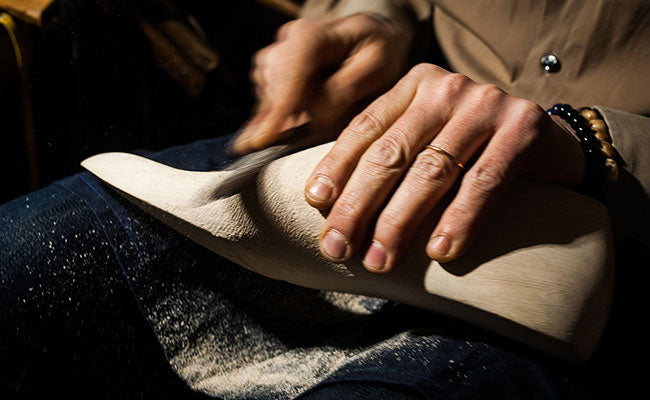
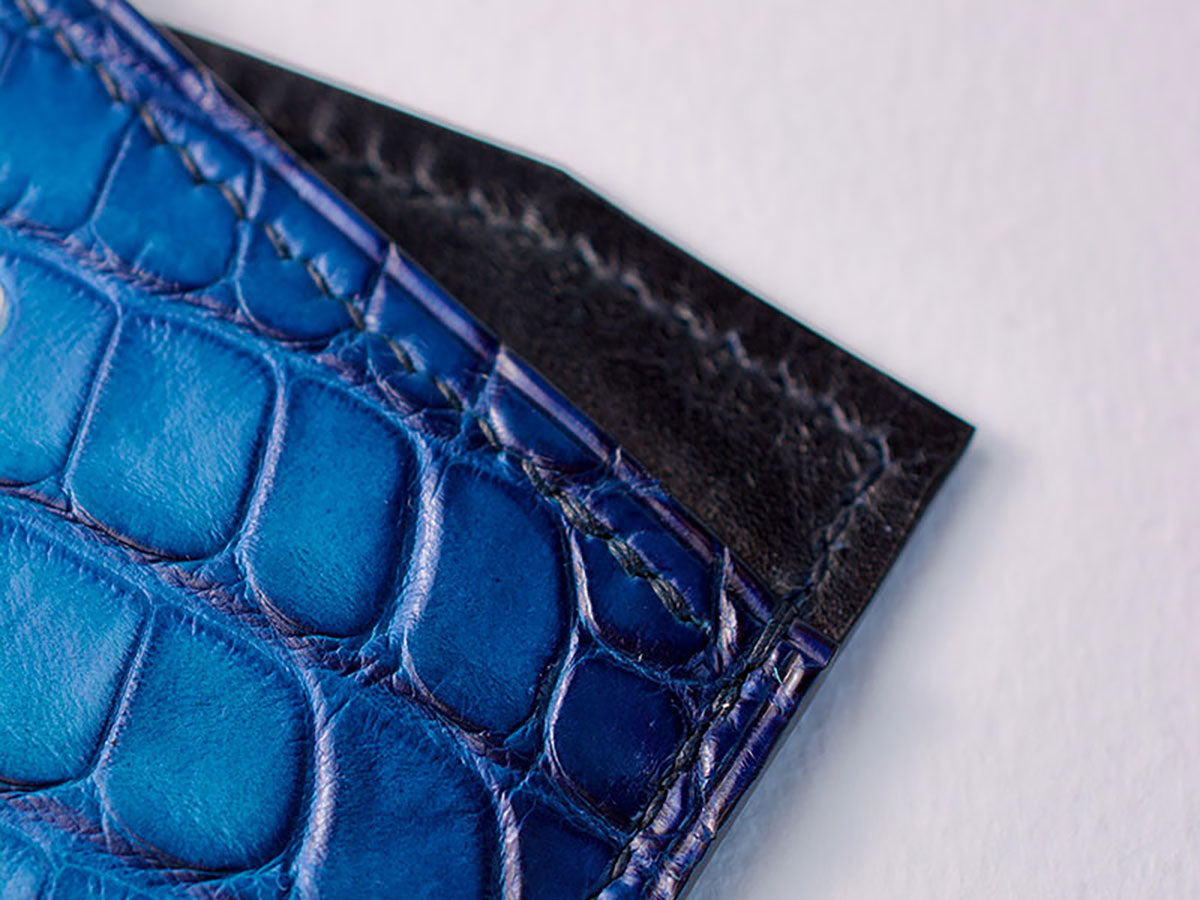
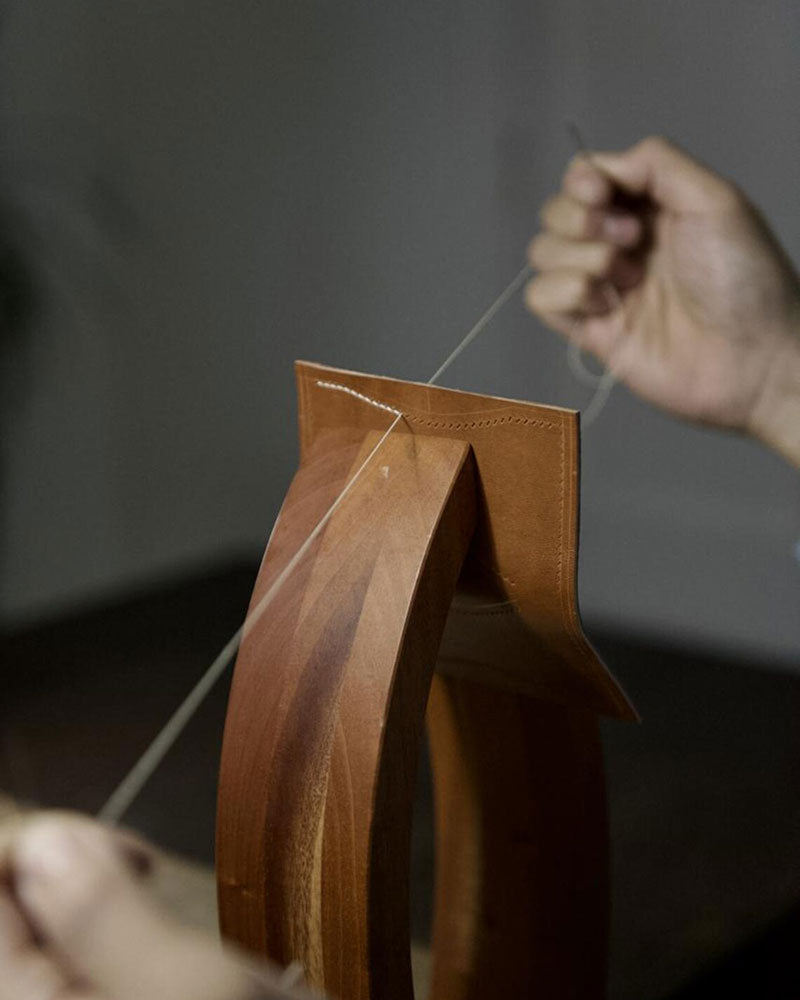
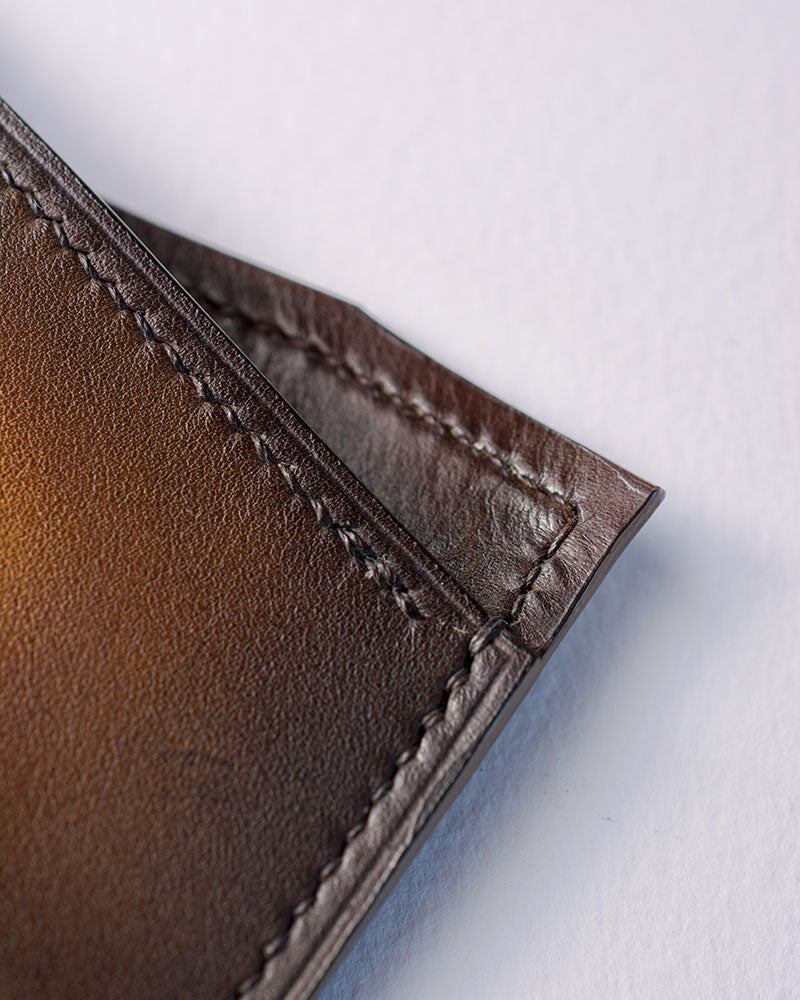
Every Kizuna Card Holder is stitched entirely by hand using the traditional saddle stitch.
Two needles pass through each hole from opposing directions, creating a seam fundamentally different from one produced by a sewing machine. It is a slower way to work.
It is also remarkably durable. Because each stitch is formed independently, damage to a single stitch is far less likely to compromise the entire seam.
We use linen thread whose natural texture complements the leather and, like the leather itself, develops character through use.
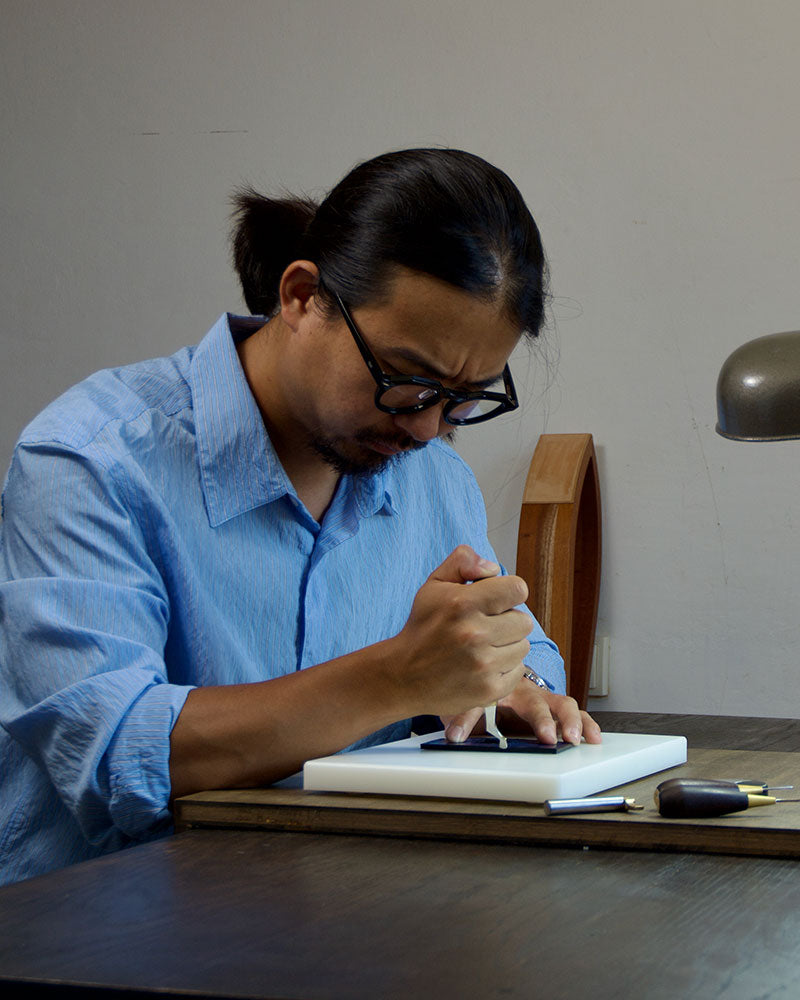
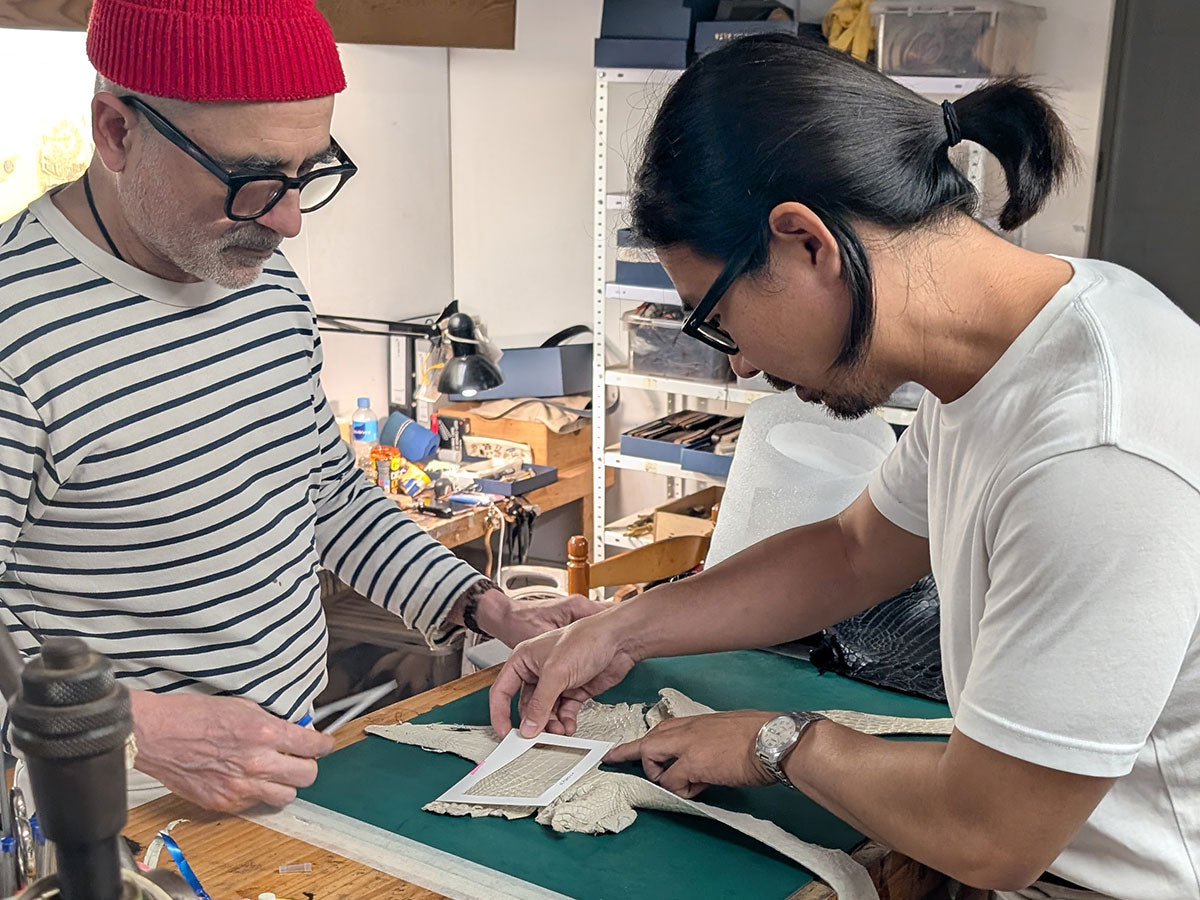
Meet Jin
For Jin, craftsmanship began long before it became a profession.
Growing up in Kochi, Japan, he was surrounded by making. His father manufactured industrial cutting blades in a workshop filled with tools and machinery. His grandmother took him into the mountains to collect bamboo and wood, which they would transform into objects together by hand.
Craftsmanship was never presented to him as something exceptional. It was simply part of everyday life.
Years later, while pursuing shoemaking in Japan, Jin discovered the work of Norman Vilalta.
That discovery eventually brought him to Barcelona.
From Barcelona, Together
In 2019, Jin moved to Spain and joined the Norman Vilalta workshop.
Since 2022, he has served as Head of our Bespoke Department, working within the most traditional side of shoemaking while continuing to develop his own approach to craftsmanship.
Alongside this work, Jin created Nervio as an expression of that evolving philosophy—and of his desire to carry the knowledge, techniques and spirit of craftsmanship forward.
Kizuna grew from this relationship.
It is not the meeting of two makers brought together for a project. It is the result of years spent working alongside one another.
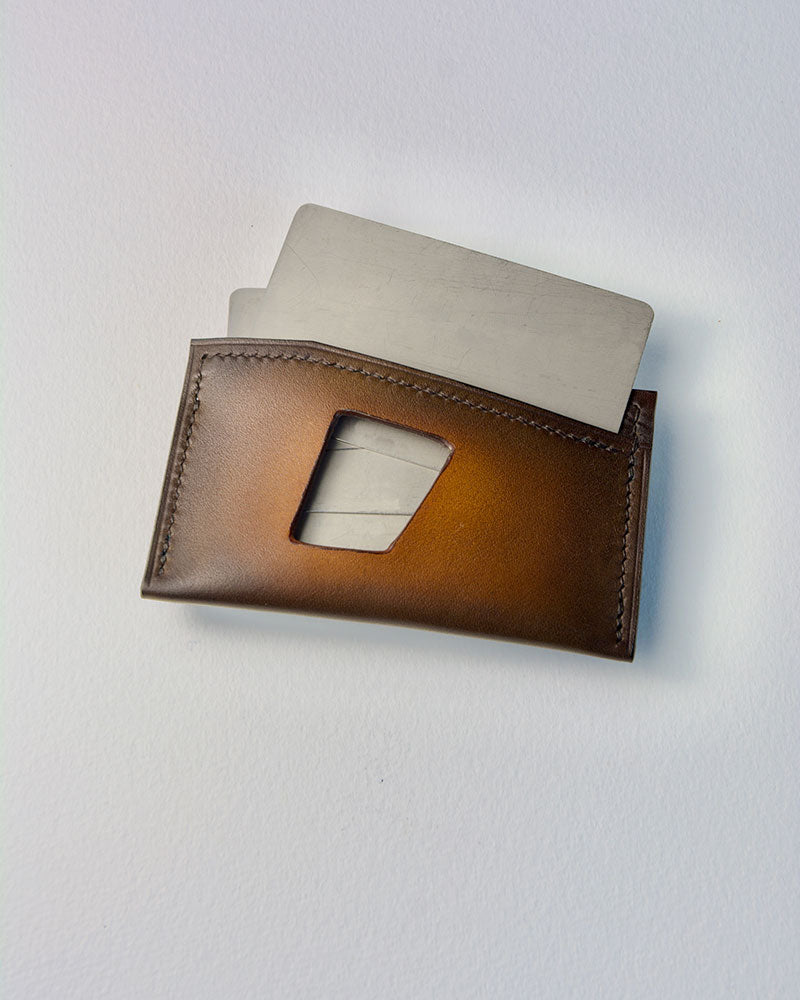
Nervio
The name Nervio is connected to a Japanese expression that speaks of using one's nerves—sharpening the senses and bringing complete concentration to what is being done.
For Jin, it describes an approach to making.
A stitch repeated hundreds of times deserves the same attention as the first. Technique is important, but so are observation, sensitivity and the willingness to continue learning.
It is an idea that feels very familiar to us. Tradition should not simply be preserved.
It should be learned, developed and eventually passed forward.
Why Kizuna
In Japanese, kizuna speaks of the bond or connection between people. For us, the name felt particularly appropriate.
The relationship between Japan and Barcelona. Between the traditions of shoemaking and leathercraft, and a shared interest in finding beauty through proportion, asymmetry and function. Between Norman Vilalta and Nervio. And between the hands that make an object and the person who will eventually carry it.
The Kizuna Card Holder is the first expression of that connection.
Two Materials
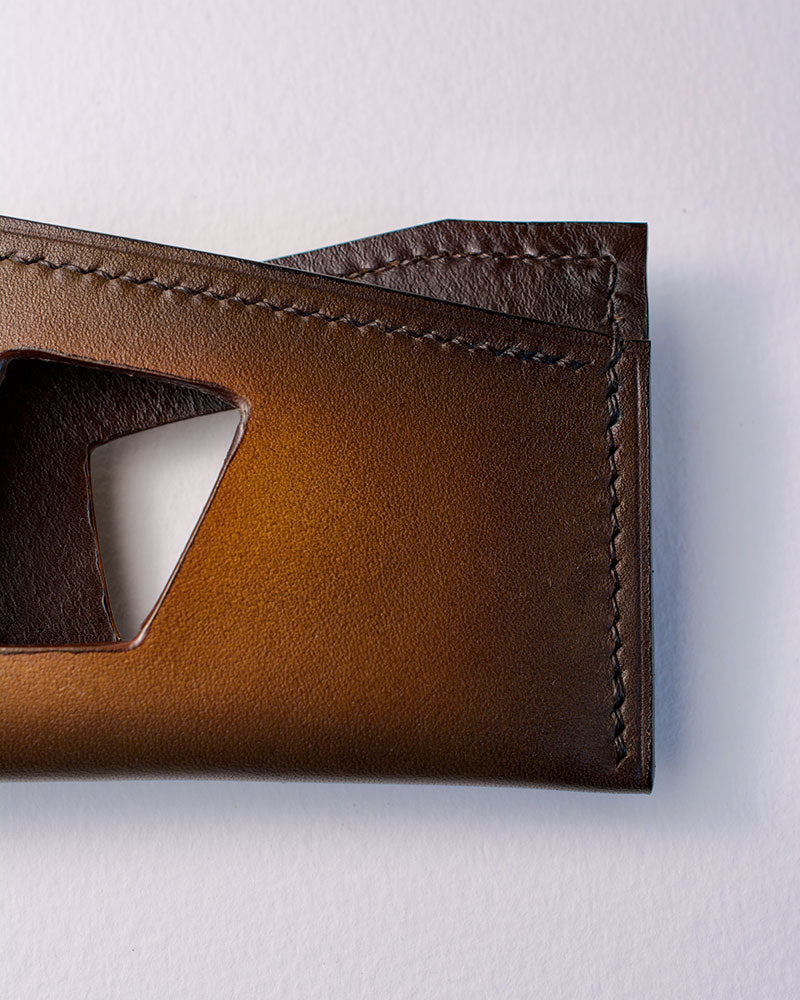
Kizuna Card Holder, Espresso
French Box Calf from Tanneries du Puy,
individually hand-finished in our Espresso patina.
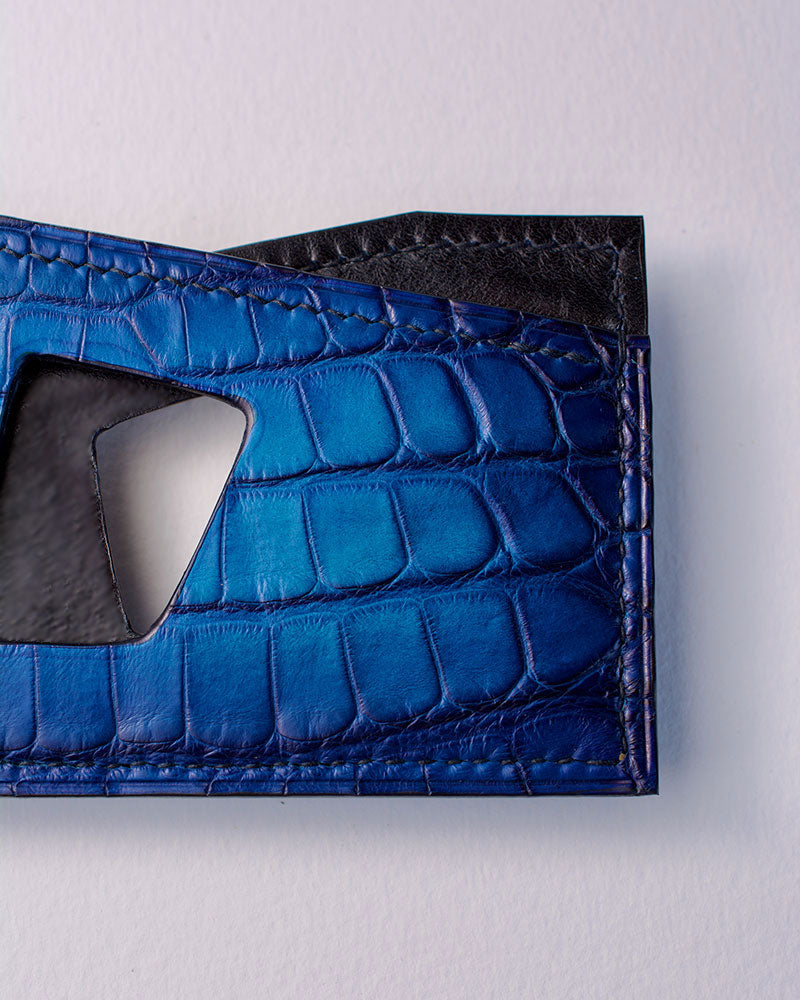
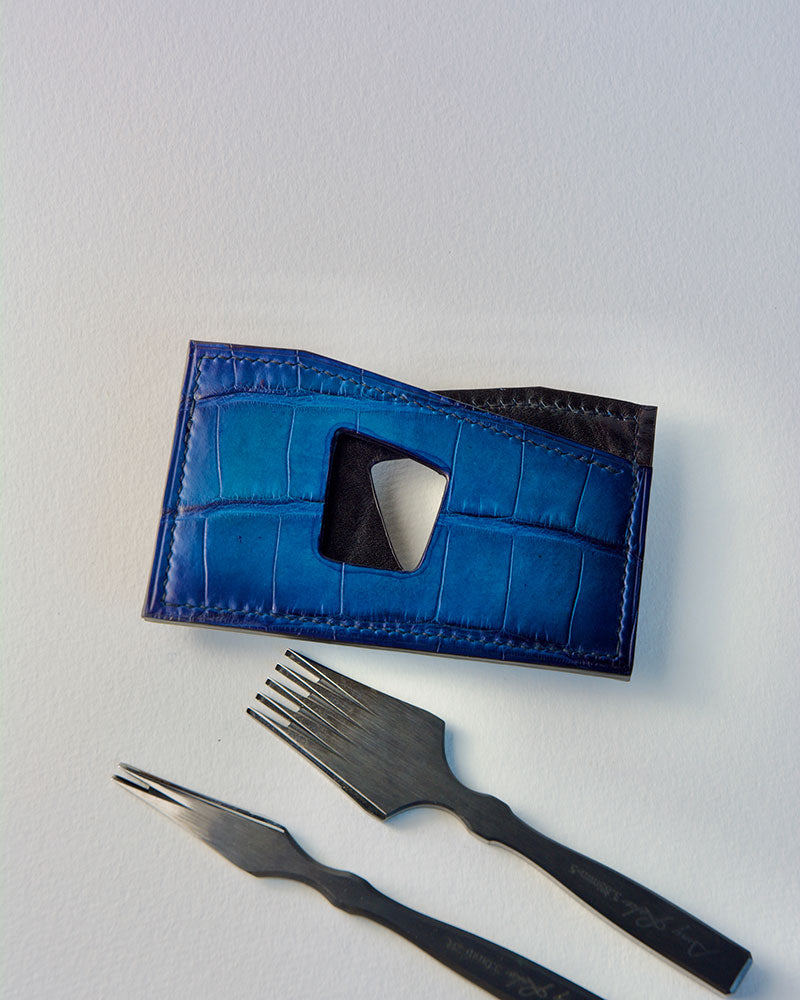
Kizuna Card Holder, RoyAL Eclipse
HCP crocodile selected for its exceptional
scale and character, finished in Royal Eclipse blue.
Made to become yours
The Kizuna Card Holder leaves our workshop finished. It does not leave it complete.
The leather will deepen with handling. The surface will acquire marks. The edges will soften. The linen thread will gradually change alongside it.
What begins as something made by our hands becomes an object shaped by yours.
Kizuna Card Holder